 06 May 2026
 Share
Share
1
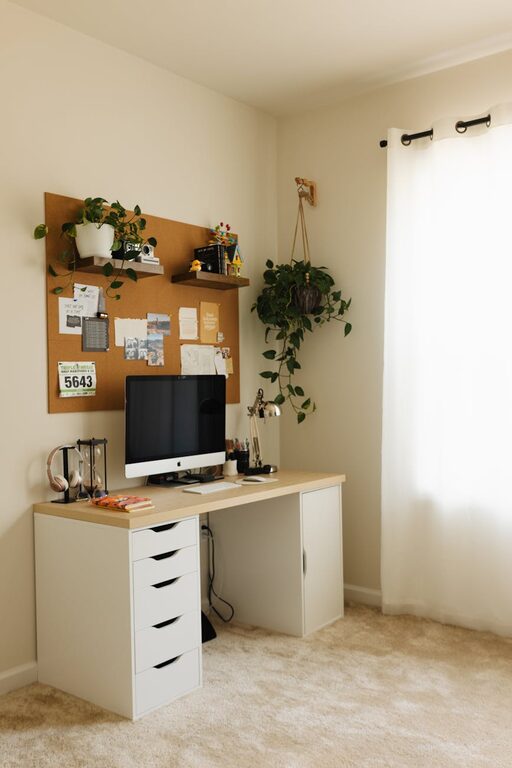

Creating a home office that is both clutter-free and efficient is essential for maintaining productivity and minimizing stress. Whether you work from home full-time or just need a dedicated space for managing personal tasks, an organized office can make a big difference. In this post, we’ll explore practical tips to help you design a workspace that is tidy, comfortable, and conducive to focus.
A cluttered workspace can affect not only your physical environment but also your mental clarity. When your desk is crowded with papers, gadgets, or miscellaneous items, it’s easy to feel overwhelmed or distracted. By organizing your office thoughtfully, you set yourself up for better work habits, improved concentration, and a more enjoyable workday.
Before making any changes, take a close look at your current office setup.
– Evaluate the available space: How much room do you have for a desk, chair, and storage?
– Identify your work tools: List the items you use daily, such as your computer, notebooks, printer, or reference materials.
– Consider your workflow: Think about the tasks you perform most frequently and what environment helps you work best.
Knowing your needs guides you in choosing the right furniture and organizing strategies.
Selecting functional and appropriately sized furniture is key to an efficient home office.
– Desk: Opt for a desk with enough surface area for your equipment without overcrowding.
– Chair: Invest in a comfortable chair that supports good posture.
– Storage units: Shelving, drawers, and filing cabinets help keep items organized and off your desk.
– Layout: Arrange your furniture to ensure easy movement and natural light access if possible.
A well-planned layout improves ergonomics and workflow.
Clutter accumulates quickly, but regular efforts to keep it in check make maintenance manageable.
– Clear your desk daily: At the end of each day, put away papers, gadgets, and supplies.
– Sort mail and documents weekly: Recycle what you don’t need and file important papers.
– Limit decorative items: Keep decorations minimal to avoid distractions.
Consistent decluttering prevents buildup and keeps your space inviting.
Effective storage keeps essentials accessible yet out of the way.
– Drawer organizers: Use compartments to separate pens, paperclips, and small tools.
– Vertical shelving: Utilize wall space for books or binders.
– Label containers and files: Clear labels save time searching.
– Cable management: Use clips or sleeves to tame cords and reduce visual chaos.
With these solutions, everything has its place, reducing mess and time spent searching.
Bright, well-placed lighting enhances focus and reduces eye strain.
– Natural light: Position your desk near windows when possible.
– Task lighting: Use adjustable desk lamps to illuminate work areas.
– Reduce screen glare: Adjust blinds or monitor position to minimize reflections.
Also, keep distractions to a minimum by turning off unnecessary notifications and setting boundaries with family or roommates.
Adding personal touches can make your office more welcoming without adding clutter.
– Inspiring artwork or photos: Choose a few meaningful pieces.
– Plants: Small, low-maintenance plants improve air quality and mood.
– Comfort items: A cozy blanket or footrest can enhance comfort.
Balance personalization with simplicity to maintain a calm environment.
A clutter-free office isn’t just about physical items; digital organization matters too.
– Organize files: Use clear folder structures and consistent naming conventions.
– Back up data: Keep copies on cloud storage or external drives.
– Manage emails: Regularly sort and delete unnecessary messages.
– Limit open tabs and applications: Close programs you aren’t actively using.
A tidy digital workspace supports your overall productivity and focus.
Habits are powerful in maintaining order over time.
– Set weekly goals: Allocate time for tidying and reviewing your workspace.
– Review priorities: Adjust your setup if your work needs change.
– Celebrate progress: Recognize improvements to stay motivated.
By incorporating organization into your routine, your home office remains efficient and clutter-free.
—
Creating a well-organized home office doesn’t have to be overwhelming. By assessing your space, choosing smart furniture and storage options, decluttering regularly, and maintaining digital order, you can enjoy a workspace that helps you focus and work comfortably every day. Start with small changes, and you’ll see big improvements in your productivity and peace of mind.