 06 May 2026
 Share
Share
1
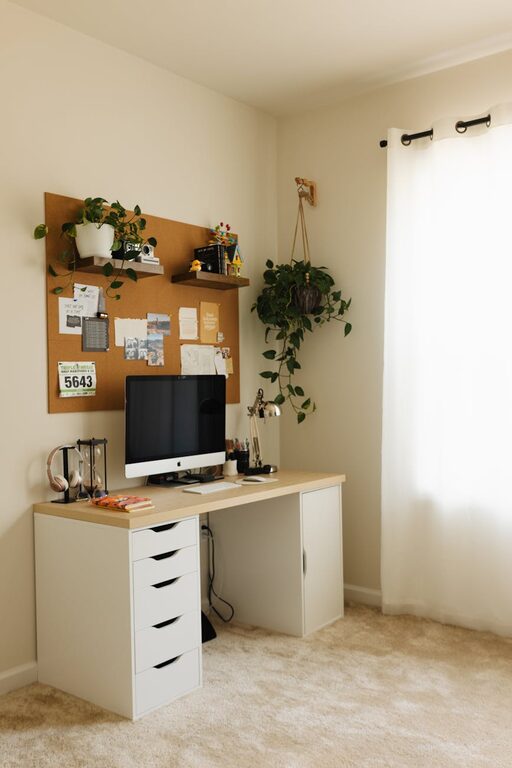
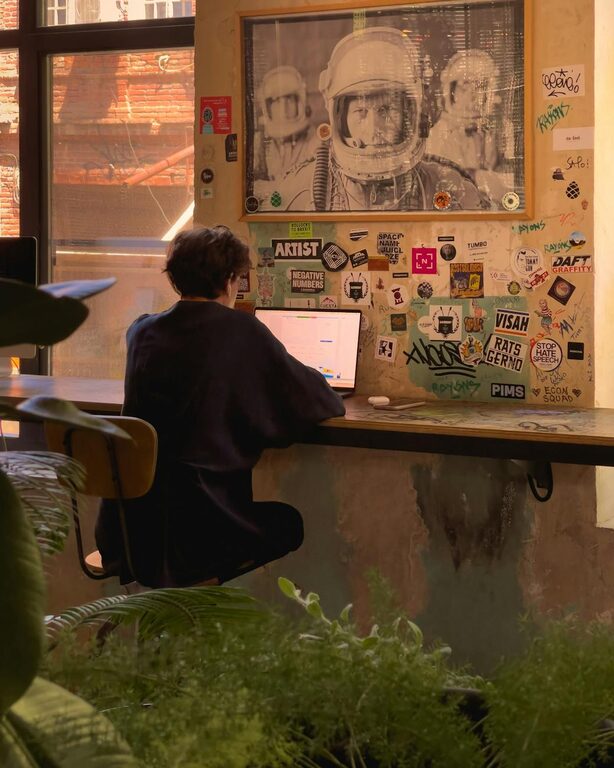
Creating a workspace at home that feels both cozy and inviting can make a significant difference in your motivation and productivity. Whether you work remotely full-time or just need a designated spot for occasional tasks, designing a space that feels comfortable and inspiring helps foster focus and creativity. Here are some practical tips to help you craft a home workspace that you’ll look forward to using every day.
Finding the ideal spot in your home is the first step. Ideally, pick a quiet corner with plenty of natural light. Natural light not only brightens the room but also helps regulate your mood and energy levels.
– Near a window: Set your desk close to or facing a window to benefit from daylight.
– Low-traffic area: Choose a place where interruptions are less likely.
– Away from distractions: Avoid areas near the TV or noisy kitchen appliances.
If space is limited, even a neatly organized nook in a living room or bedroom can work well.
Comfort is key when you spend hours at your desk. Invest in ergonomic furniture to support good posture and reduce strain.
– Ergonomic chair: Look for adjustable chairs with lumbar support.
– Desk height: Ensure your desk allows your arms to rest comfortably at a 90-degree angle.
– Footrests: These can help reduce leg fatigue, especially if your feet don’t fully touch the floor.
Remember, comfort will encourage longer and more effective work sessions.
To create a cozy atmosphere, add elements that evoke warmth and softness.
– Soft cushions or throw pillows: Place these on your chair for added comfort.
– Area rugs: A rug can add color and texture, making the space feel inviting.
– Warm color palette: Choose calming and warm colors like soft beige, muted greens, or gentle blues for walls, accessories, or décor.
These touches help make the workspace feel welcoming rather than sterile.
A tidy workspace can clear your mind and improve focus. Here are some organization tips:
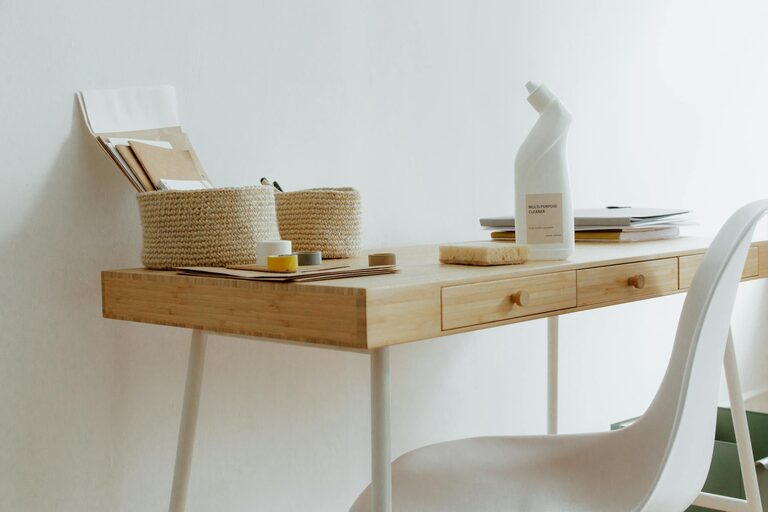
– Use storage containers: Baskets, boxes, or drawer organizers keep supplies neatly contained.
– Keep only essentials on your desk: Limit items to those you use daily.
– Regular decluttering: Set a weekly or monthly reminder to tidy your space.
Digital clutter matters too—keep your computer files organized with clear folders and regular backups.
Plants add a natural element that brightens the space and supports well-being.
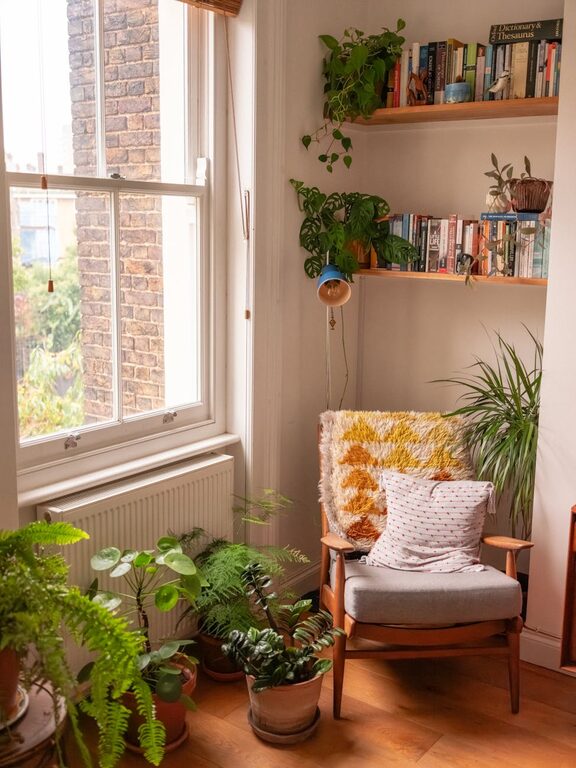
– Easy-care plants: Succulents, snake plants, or pothos are great low-maintenance options.
– Small pots: Place a few small plants on your desk or shelves.
– Air-purifying varieties: Some plants can improve air quality, which helps you stay alert.
Besides their benefits, plants simply make a workspace feel more alive.
Lighting affects both how inviting your workspace feels and your ability to work comfortably.
– Task lighting: A good desk lamp with adjustable brightness helps reduce eye strain.
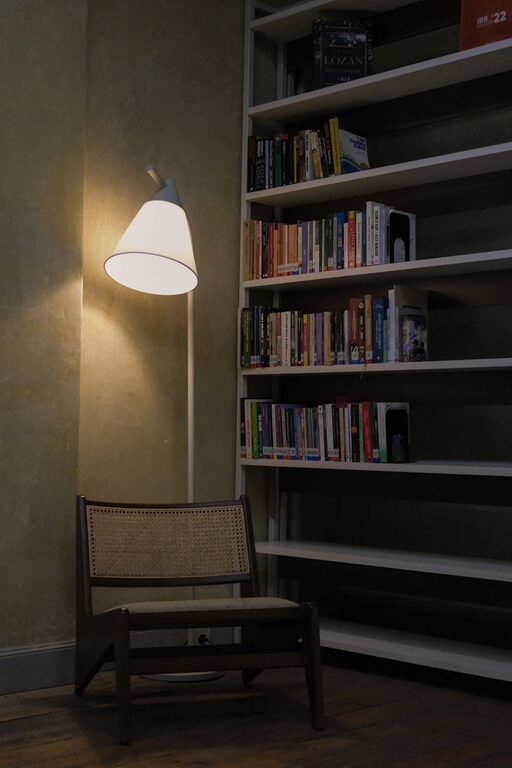
– Ambient lighting: Combine overhead lighting with softer lamps for a warm glow.
– Avoid glare: Position your screen and lights so reflections and glare are minimized.
Adjust lighting based on the time of day and weather to maintain an inviting atmosphere.
Decorate your space to reflect your personality but keep it balanced.
– Photos or artwork: Hang or place a few pieces that inspire or make you happy.
– Inspiring quotes: Use prints or notes to motivate yourself.
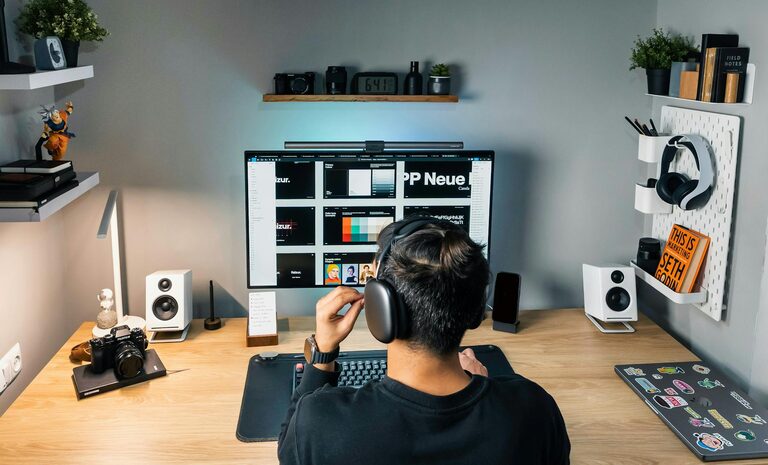
– Accessories: A nice mug, a stylish pen holder, or a favorite notebook can add charm.
Keep decorations minimal enough to avoid distractions but enough to make the space feel uniquely yours.
If space allows, separate areas within your workspace for different activities.
– Work zone: Your primary desk area for computer and paperwork.
– Reading or brainstorming corner: A comfy chair or small table for thinking or sketching ideas.
– Storage zone: Shelves or cabinets for files and books.
Defining zones can help keep tasks organized and promote efficiency.
Your comfort also depends on the room’s temperature and air quality.
– Temperature control: Use a fan or space heater as needed to stay comfortable.
– Ventilation: Open windows periodically to let in fresh air.
– Air quality: Consider an air purifier if your room tends to feel stale.
Being physically comfortable helps keep your mind clear and focused.
Designing a cozy and inviting home workspace doesn’t require a big budget or extensive remodeling. By choosing the right spot, investing in comfort, adding personal touches, and keeping things organized, you can create a space that encourages productivity while feeling warm and welcoming. Remember that your workspace should support not just your work tasks, but also your well-being. Take time to personalize and adjust it until it feels just right for you. Happy decorating!