 06 May 2026
 Share
Share
1
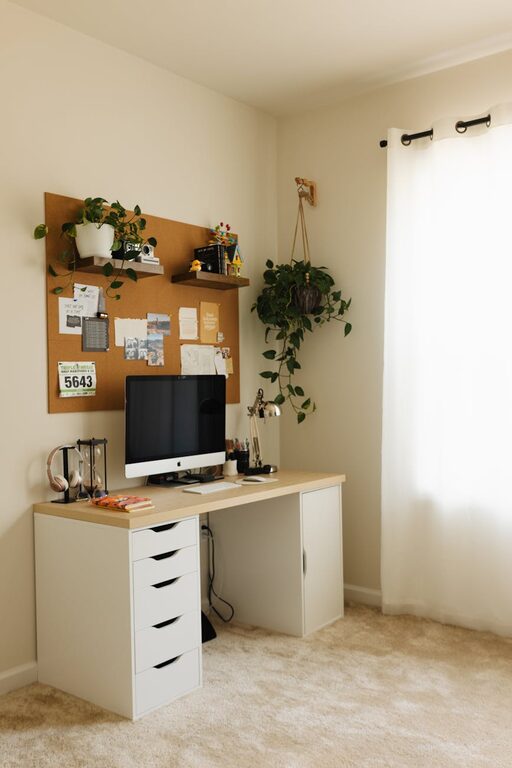
Creating a comfortable and productive home office space is essential for anyone working remotely or managing tasks from home. A well-designed workspace can improve focus, reduce stress, and help maintain a healthy work-life balance. Whether you have a dedicated room or just a small corner, you can transform it into an inviting and efficient office. Below are practical tips to help you set up your ideal home office.
Select a spot in your home that minimizes distractions and suits your work style. Ideally, this should be a quiet area with enough space to accommodate your desk and equipment.
– Natural Light: Look for a place near a window to take advantage of natural light, which boosts mood and energy.
– Privacy: Ensure the location is away from high-traffic areas to keep interruptions to a minimum.
– Ventilation: Good airflow keeps you comfortable throughout the day.
Comfort is key to productivity. Investing in ergonomic furniture helps prevent strain and encourages good posture.
– Ergonomic Chair: Choose a chair with adjustable height, lumbar support, and comfortable cushioning.
– Desk: Pick a desk that fits your space and allows you to work comfortably, ideally at elbow height.
– Accessories: Consider a keyboard tray, monitor stands, or a footrest to maintain proper alignment.
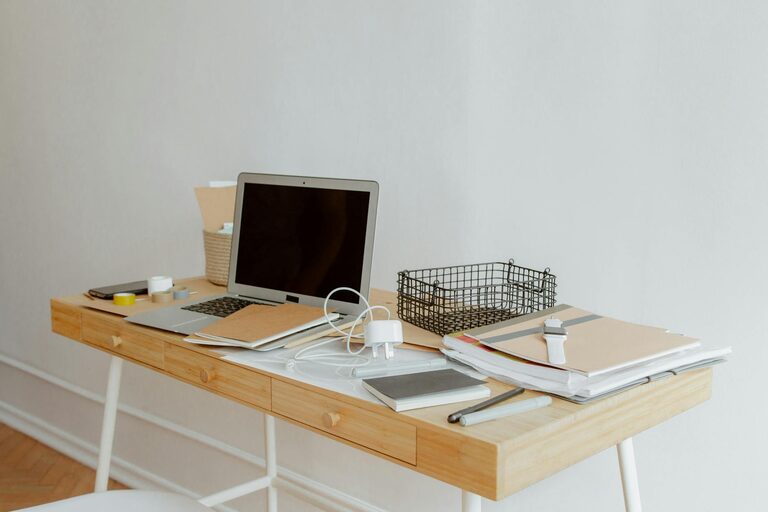
A cluttered desk can be distracting. Keep your workspace tidy to foster concentration.
– Storage Solutions: Use shelves, drawers, or filing cabinets to keep essential items organized.
– Cable Management: Use clips or cable organizers to keep cords out of the way.
– Minimalism: Keep only necessary supplies on your desk to avoid clutter.
Good lighting reduces eye strain and improves alertness.
– Natural Light: As mentioned earlier, position your desk near windows when possible.
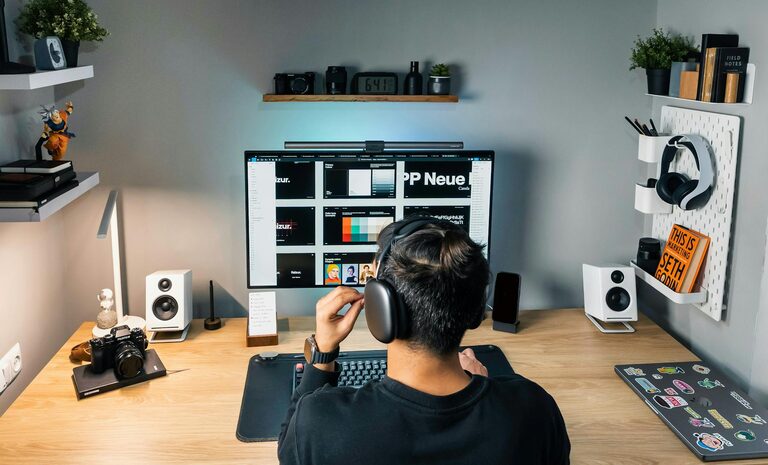
– Task Lighting: Use adjustable desk lamps for focused work, especially in the evenings.
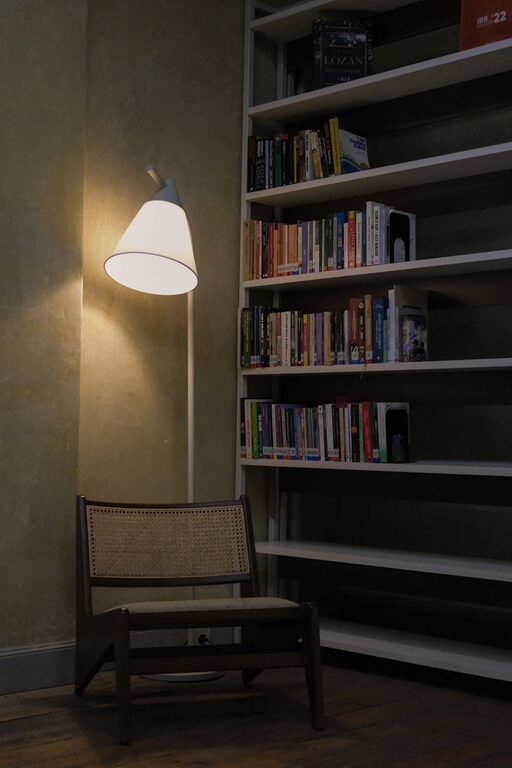
– Ambient Lighting: Avoid harsh overhead lights; softer, diffused lighting creates a comfortable environment.
Adding personal touches can make your workspace more inviting and boost morale.
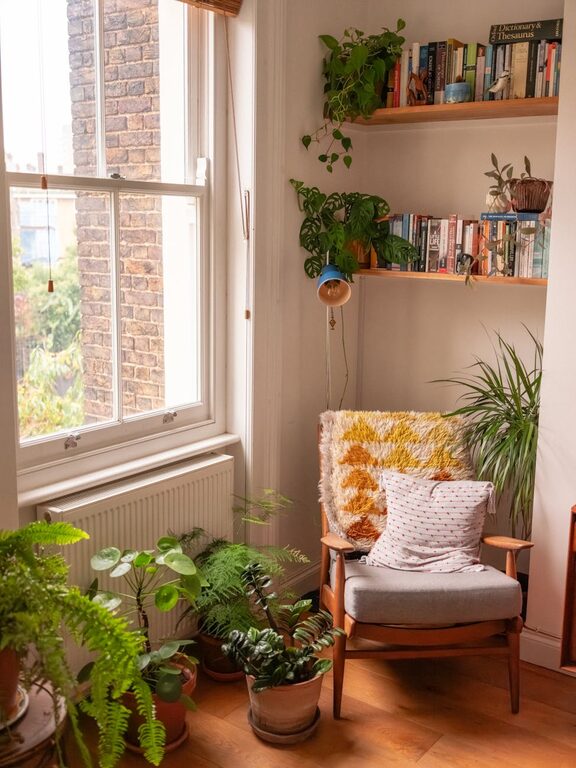
– Plants: Small indoor plants improve air quality and add a splash of color.
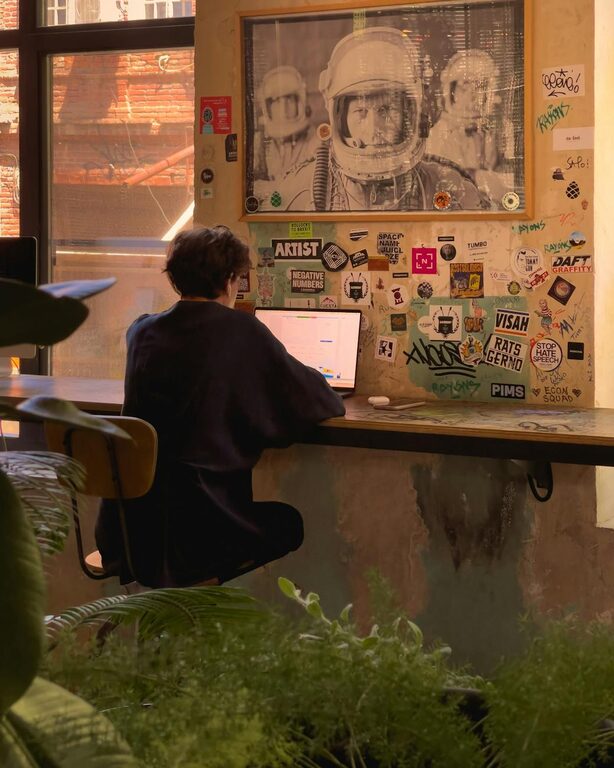
– Artwork or Photos: Decorate with motivating quotes or pictures that inspire you.
– Colors: Choose colors that make you feel calm or energized, such as soft blues or greens.
Depending on your environment, noise can either be a distraction or something that helps you focus.
– Noise-Canceling Headphones: Useful if you cannot control background noise.
– White Noise or Music: Many find soft background noise or instrumental music helpful.
– Soundproofing: Add rugs or curtains to absorb echoes if necessary.
To maintain productivity and work-life balance, establish specific rules and routines.
– Dedicated Work Hours: Set regular work times to stay disciplined.
– Separate Work and Personal Life: When the workday ends, physically and mentally “leave” your office.
– Communicate with Household Members: Make sure others know when you are working to minimize interruptions.
Equip your home office to function smoothly with the right tools.
– Reliable Internet: A fast and stable connection reduces frustration during calls or uploads.
– Quality Equipment: Invest in a good computer, headset, and accessories tailored to your tasks.
– Organizational Tools: Use calendars, task managers, and note-taking apps to keep on track.
A productive environment is one that is maintained regularly.
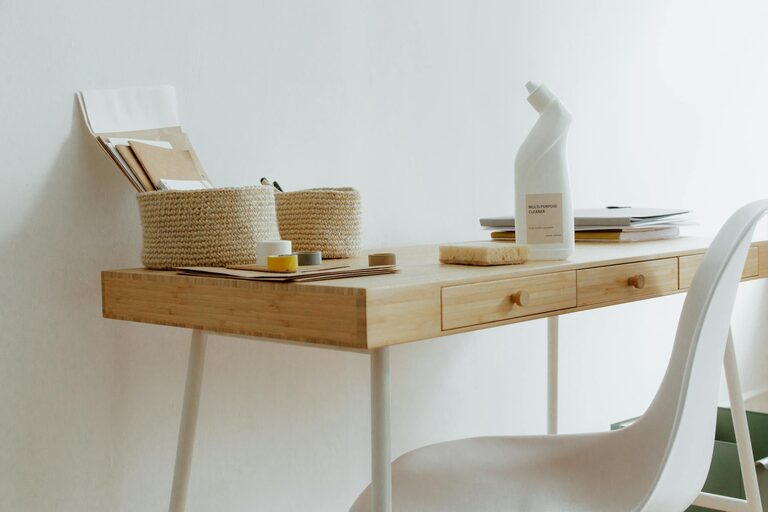
– Regular Cleaning: Dust and clean your office often to keep it fresh.
– Routine Organization: Spend a few minutes each day tidying up.
– Ergonomic Check-ins: Adjust your chair, desk, or screen height periodically to stay comfortable.
Designing a comfortable and productive home office is a blend of thoughtful planning, organization, and personal touches. By choosing the right location, investing in ergonomic furniture, managing lighting and noise, and setting clear boundaries, you can create a space that supports your best work. Remember, your home office should inspire you, so take time to customize it to your needs and preferences. A well-designed workspace not only improves productivity but also enhances your overall well-being while working from home.